A bit curious. A bit unclear. Still moving.
If that resonates, you’ll fit right in.A bit curious. A bit unclear. Still moving. If that resonates, you’ll fit right in.
Work here is fast-moving and not always perfectly structured. Some days are clear, while others need figuring out as you go. You may handle multiple things at once, but there must be constant communication and alignment to keep everything moving together.
It’s less about fixed routines, more about moving forward with clarity as it builds.
What kind of people thrive here?
People who take initiative without waiting, ask questions early, and are comfortable working through uncertainty tend to do well. They don’t need everything defined before they begin — they start, learn, and adapt. If you enjoy seeing your decisions directly shape outcomes, this environment rewards that instinct.
Progress here comes from action, not permission.
What kind of people may struggle here?
If you prefer clearly defined roles, step-by-step instructions, or a structured onboarding before diving in, this environment can feel uncertain at first. The pace and openness require comfort with ambiguity — and a willingness to figure things out without a playbook. That’s not a flaw, it’s just a different fit.
Clarity grows here — but it doesn’t always exist from day one.
How do founders and the team work together?
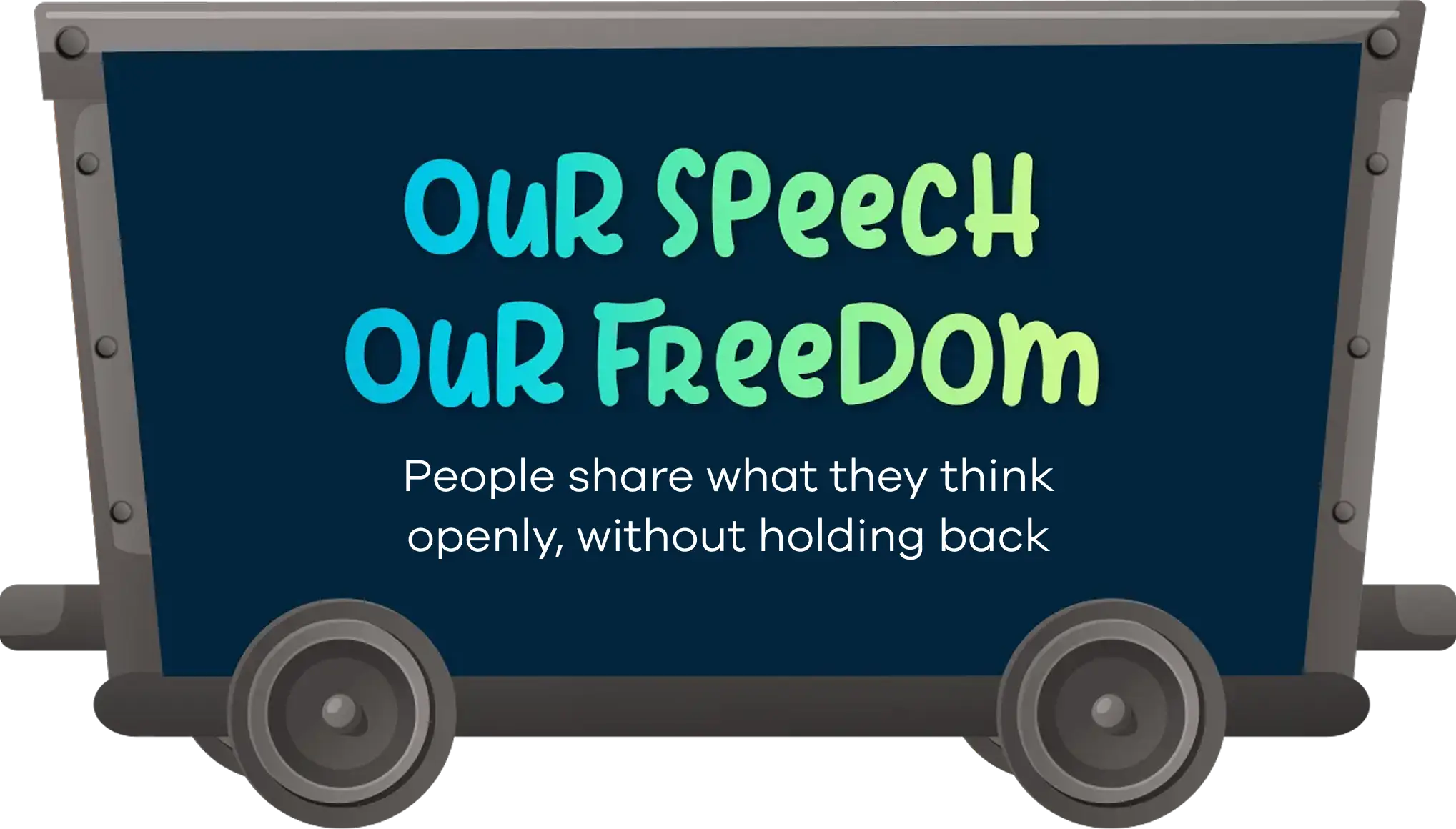
You’ll find the founders closely involved in day-to-day work, not just visible at all-hands meetings. Conversations are open, feedback is direct, and ideas can come from anyone regardless of title. Decisions don’t sit in layers for too long — we try to understand, align, and move fast together.
It feels less like reporting to someone, and more like building alongside them.
How do you handle mistakes and failures?
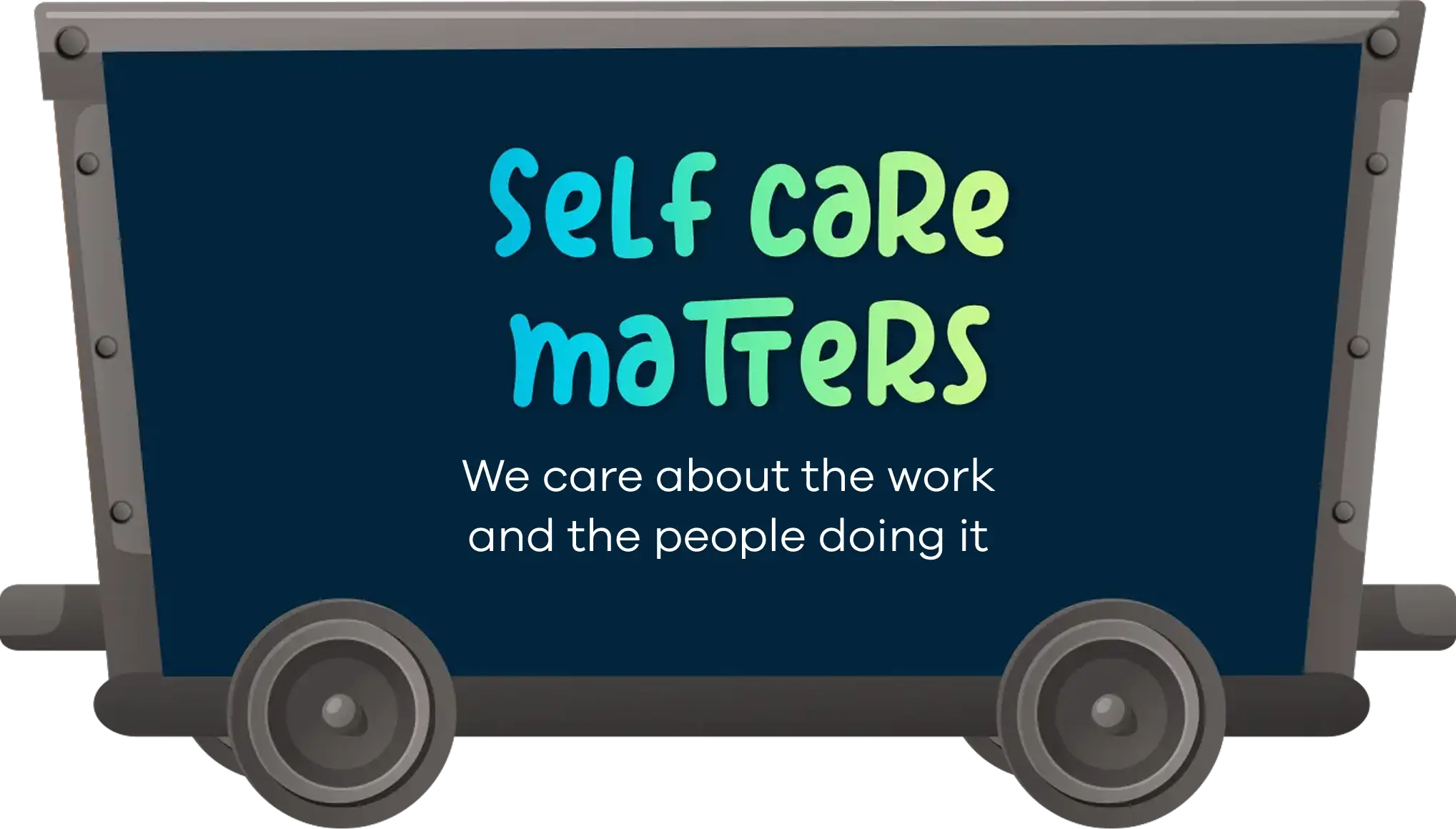
Mistakes are a natural part of building at this stage, and we treat them that way. Instead of focusing on who is responsible, we focus on what can be learned and how to move forward faster. There’s no culture of blame here — psychological safety isn’t a policy, it’s just how we work.
What matters isn’t avoiding mistakes — it’s what you do right after them
How are decisions made here?
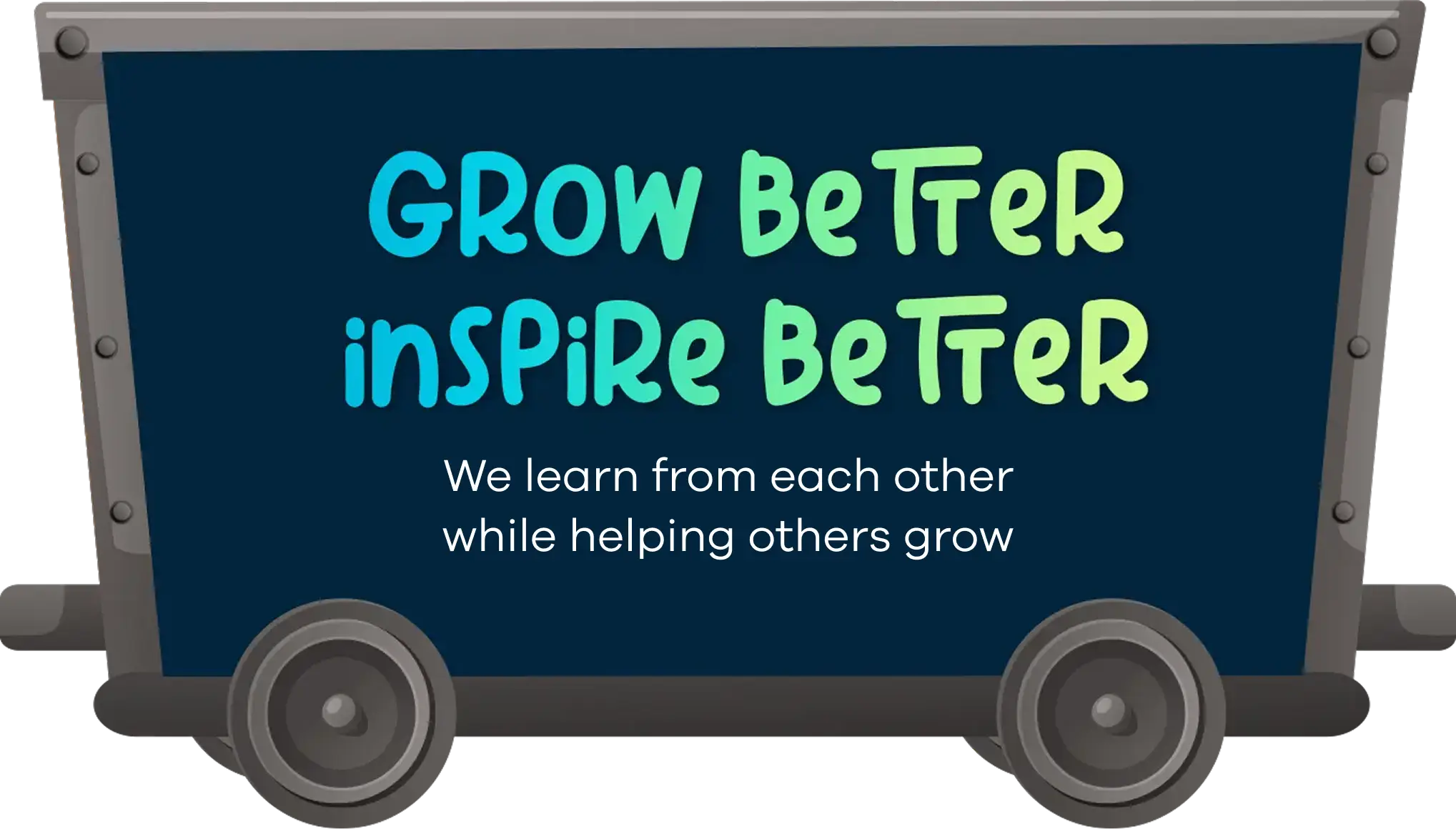
Decisions are made close to the problem, by the people who understand it best. We keep things moving through open discussion and quick alignment — not long approval chains. Everyone is expected to think, not just execute, and if you have a strong case for something, it gets heard.
Speed here comes from trust, not hierarchy.
How do people grow here?
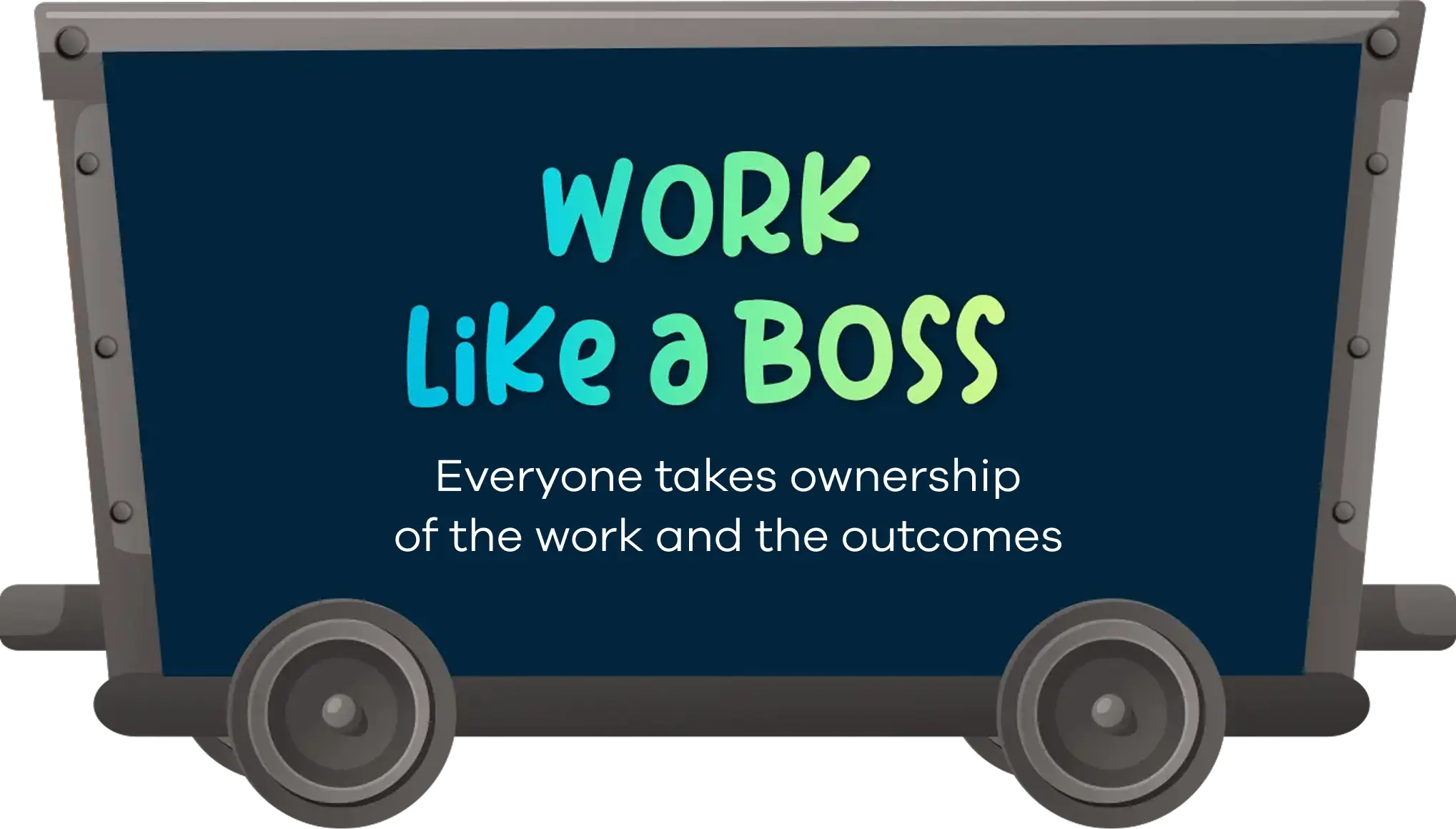
Growth isn’t mapped out in advance — it happens as you take real ownership and step into responsibilities that stretch you. Early on, you’ll find yourself doing things that wouldn’t land in your lap at a larger company for years. The more you lean into challenges, the faster your role expands around you.
The more you take on, the more you become.
What might surprise you when you start working here?
Most people expect a startup to be chaotic — and are surprised by how much intention exists underneath the informality. There’s no rigid structure, but there is real direction. You’ll also notice that your opinion gets asked for earlier than you’d expect, and that acting on it is genuinely encouraged, not just said. The other thing people don’t see coming is how quickly the work starts to feel personal — like it actually belongs to you.
It’s less structured than you imagined, and more purposeful than you expected.









![1 - Incredible, by [i-SmokeStack]](https://ismokestack.com/wp-content/uploads/2023/06/1-Incredible-by-i-SmokeStack-.webp)
![2 - Protective, by [i-SmokeStack]](https://ismokestack.com/wp-content/uploads/2023/06/2-Protective-by-i-SmokeStack-.webp)
![3 - Open Minded, by [i-SmokeStack]](https://ismokestack.com/wp-content/uploads/2023/06/3-Open-Minded-by-i-SmokeStack-.webp)
![4 - Selfless, by [i-SmokeStack]](https://ismokestack.com/wp-content/uploads/2023/06/4-Selfless-by-i-SmokeStack-.webp)
![5 - Inspring, by [i-SmokeStack]](https://ismokestack.com/wp-content/uploads/2023/06/5-Inspring-by-i-SmokeStack-.webp)
![6 - Transparent, by [i-SmokeStack]](https://ismokestack.com/wp-content/uploads/2023/06/6-Transparent-by-i-SmokeStack-.webp)
![7 - Innovative, by [i-SmokeStack] (1)](https://ismokestack.com/wp-content/uploads/2023/06/7-Innovative-by-i-SmokeStack-1.webp)
![8 - Virtual, by [i-SmokeStack] copy](https://ismokestack.com/wp-content/uploads/2023/07/8-Virtual-by-i-SmokeStack-copy-1.webp)
![9 - Encourage, by [i-SmokeStack]](https://ismokestack.com/wp-content/uploads/2023/06/9-Encourage-by-i-SmokeStack.webp)
![1 - Incredible, by [i-SmokeStack]](https://ismokestack.com/wp-content/uploads/2023/06/1-Incredible-by-i-SmokeStack.webp)
![2 - Protective, by [i-SmokeStack]](https://ismokestack.com/wp-content/uploads/2023/06/2-Protective-by-i-SmokeStack.webp)
![3 - Open Minded, by [i-SmokeStack]](https://ismokestack.com/wp-content/uploads/2023/06/3-Open-Minded-by-i-SmokeStack.webp)
![4 - Selfless, by [i-SmokeStack]](https://ismokestack.com/wp-content/uploads/2023/06/4-Selfless-by-i-SmokeStack.webp)
![5 - Inspire, by [i-SmokeStack]](https://ismokestack.com/wp-content/uploads/2023/06/5-Inspire-by-i-SmokeStack.webp)
![6 - Transparent, by [i-SmokeStack]](https://ismokestack.com/wp-content/uploads/2023/06/6-Transparent-by-i-SmokeStack.webp)
![7 - Innovative, by [i-SmokeStack]](https://ismokestack.com/wp-content/uploads/2023/06/7-Innovative-by-i-SmokeStack-2.webp)
![8 - Virtual, by [i-SmokeStack]](https://ismokestack.com/wp-content/uploads/2023/06/8-Virtual-by-i-SmokeStack-1.webp)
![9 - Encourage, by [i-SmokeStack]](https://ismokestack.com/wp-content/uploads/2023/06/9-Encourage-by-i-SmokeStack-1.webp)